
Creating Agendas That Actually Get Used
May 27, 2026
Most agendas are written and then ignored. I break down why this happens and the specific framework that makes agendas genuinely useful for your team.
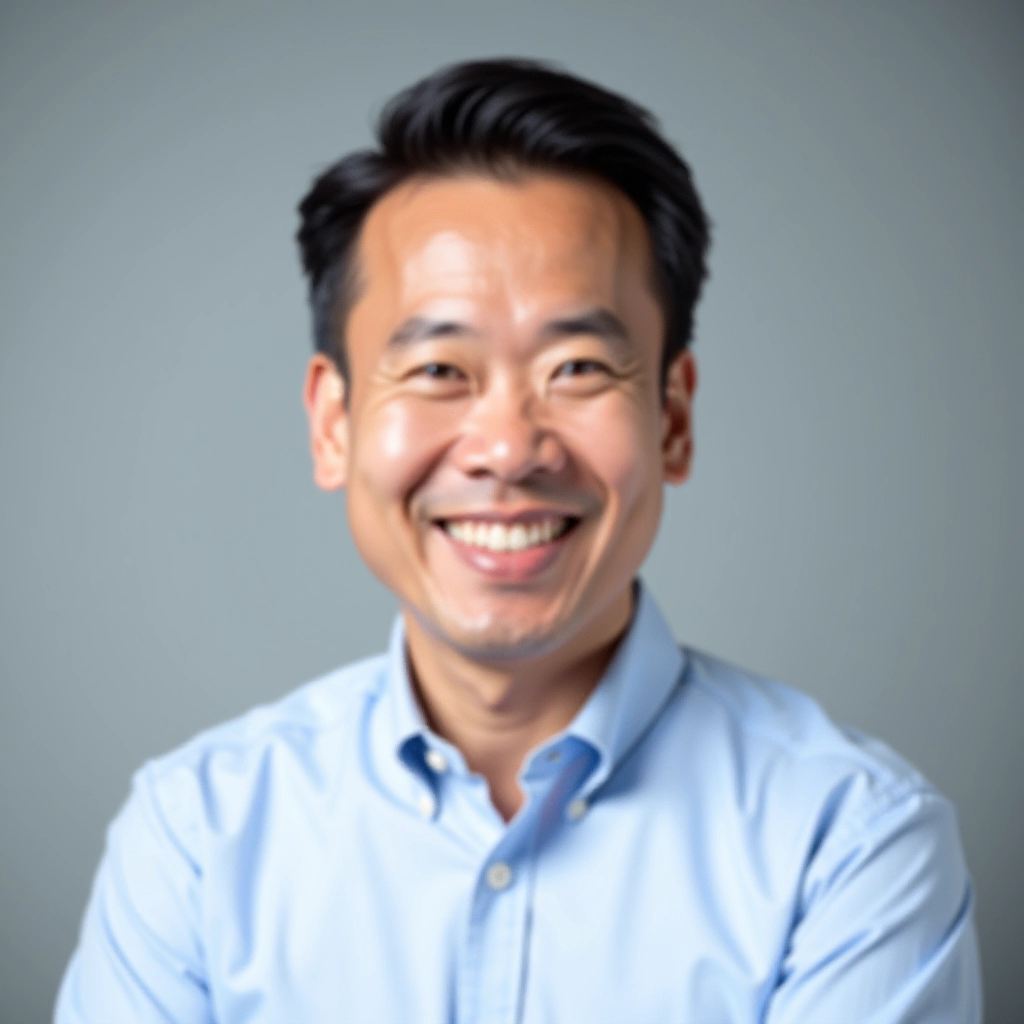
Senior Meeting Systems Consultant
For 14 years, I’ve been helping teams in Kuching and across Southeast Asia eliminate wasted time in meetings and actually get things done. Through structured agendas and systematic follow-up, we’ve helped over 180 organizations improve their decision-making and reduce meeting overhead.
Organizations Transformed
Average Meeting Overhead Reduction
Years in Operations & Systems
How I Got Here
I started as an operations coordinator at a Kuching construction firm. Every single day, I’d watch meetings drag on for hours. Decisions weren’t being made. Action items disappeared into thin air. People left the conference room with completely different understandings of what was supposed to happen next.
It wasn’t that people weren’t smart or hardworking. The system was broken. So I started experimenting with better ways to structure meetings, document what was decided, and actually track who was doing what.
By 2015, I’d moved into business process improvement consulting. I got my advanced certification in Lean Project Management from PMI and started studying how organizations actually make decisions. I read everything about organizational psychology, decision-making frameworks, and team dynamics.
The pattern was always the same: meetings are where organizations fail. Not because people aren’t trying, but because the structure doesn’t support success. Most teams don’t have a clear agenda protocol. Follow-up happens randomly. Documentation is scattered across email, chat, and people’s notebooks.
In 2018, I developed what’s now AgendaPro’s core methodology. It wasn’t built in a vacuum—it came from working with dozens of organizations, understanding Kuching’s business culture, and recognizing that multicultural teams need clear protocols even more than homogeneous ones.
The framework combines three things: structured agenda design that actually prevents scope creep, decision-logging that makes accountability clear, and systematic follow-up that ensures nothing falls through the cracks. When I tested it with my first client—a construction company managing multiple projects—they cut their meeting time by 40% in six weeks while improving project delivery times.
I co-founded AgendaPro Solutions Sdn. Bhd. to make this methodology available to organizations across Southeast Asia. We’ve worked with construction firms, tech companies, government agencies, and non-profits. The framework adapts—what works for a 20-person startup doesn’t work for a 500-person organization—but the core principle stays the same: better meetings create better organizations.
Today, I split my time between client work, workshop facilitation for the Kuching Project Management Association, and documenting our approaches in articles and case studies. Every client engagement starts the same way: we audit their current meeting culture before prescribing solutions. There’s no cookie-cutter approach here.
What I Specialize In
My work focuses on three interconnected areas that determine whether meetings drive results or waste time.
I design agenda protocols that prevent scope creep and ensure every participant knows exactly what’s being discussed and why. This includes pre-meeting preparation templates, agenda item classification systems, and time-boxing approaches tailored to your organization’s decision-making style.
Where most improvement efforts fail is in follow-up. I build systematic processes for documenting decisions, assigning action items with clear owners and deadlines, and tracking progress. It’s not about more bureaucracy—it’s about clarity that creates ownership.
Good meeting systems don’t work unless the culture supports them. I work with leadership teams on building meeting discipline, establishing norms around respect for time, and creating psychological safety for honest discussion. This includes facilitation training for team leads.
Education & Credentials
Business Administration from Universiti Malaya. Foundation in organizational theory, operations management, and strategic planning.
Lean Project Management from the Project Management Institute. Specialization in process improvement and waste elimination across organizational systems.
Operations coordination, business process improvement, and organizational systems design across construction, technology, and government sectors.
Regular workshop presenter for the Kuching Project Management Association on meeting efficiency, decision-making protocols, and team dynamics.
My Approach
I don’t apply one-size-fits-all templates. Every organization has a different meeting culture, different team dynamics, and different constraints. Before I recommend anything, I audit how your meetings currently work. What’s being decided? Where are decisions getting stuck? What follow-up actually happens versus what disappears?
Better meetings aren’t the end goal—better organizations are. I’m not trying to add bureaucracy or make everything more formal. I’m trying to reduce the friction that prevents smart people from making good decisions and actually following through on them. Sometimes that means simplifying, sometimes it means adding structure. It depends on your situation.
The best systems are the ones people use without thinking about them. They become part of how we work, not another compliance burden. That’s why I spend time on change management and training. You’re not just getting a new agenda template—you’re building new habits and new expectations across your organization.
I’ve worked with multicultural teams across Southeast Asia. What works in a Kuching tech startup doesn’t work in a government agency or a construction company. I adapt frameworks to fit your context—your industry, your team size, your decision-making style, and your organizational culture.
Recent Articles
I regularly write about what I’m learning from client work, research on team dynamics, and practical approaches to meeting improvement.
May 27, 2026
Most agendas are written and then ignored. I break down why this happens and the specific framework that makes agendas genuinely useful for your team.
May 24, 2026
The gap between “we decided this in the meeting” and “this actually happened” is where most projects stall. Here’s how to bridge it.
May 20, 2026
Time is your team’s most finite resource. A practical guide to facilitating meetings where people actually feel their time was well spent.
May 18, 2026
Good documentation isn’t about compliance—it’s about making sure decisions stick and new team members can actually understand what’s been decided.
Whether you’re looking for a full organizational assessment or just want to discuss how to improve your team’s meeting culture, I’m happy to explore what might work for your situation.